
INTRODUCTION: The Summit
The Two Realms
There are two orders in the world of motoring. One measures time in seconds, the other in months.One pursues repeatability, the other pursues singularity.
The first creates products. The second creates objects meant to remain.
Carlex belongs to the latter world.
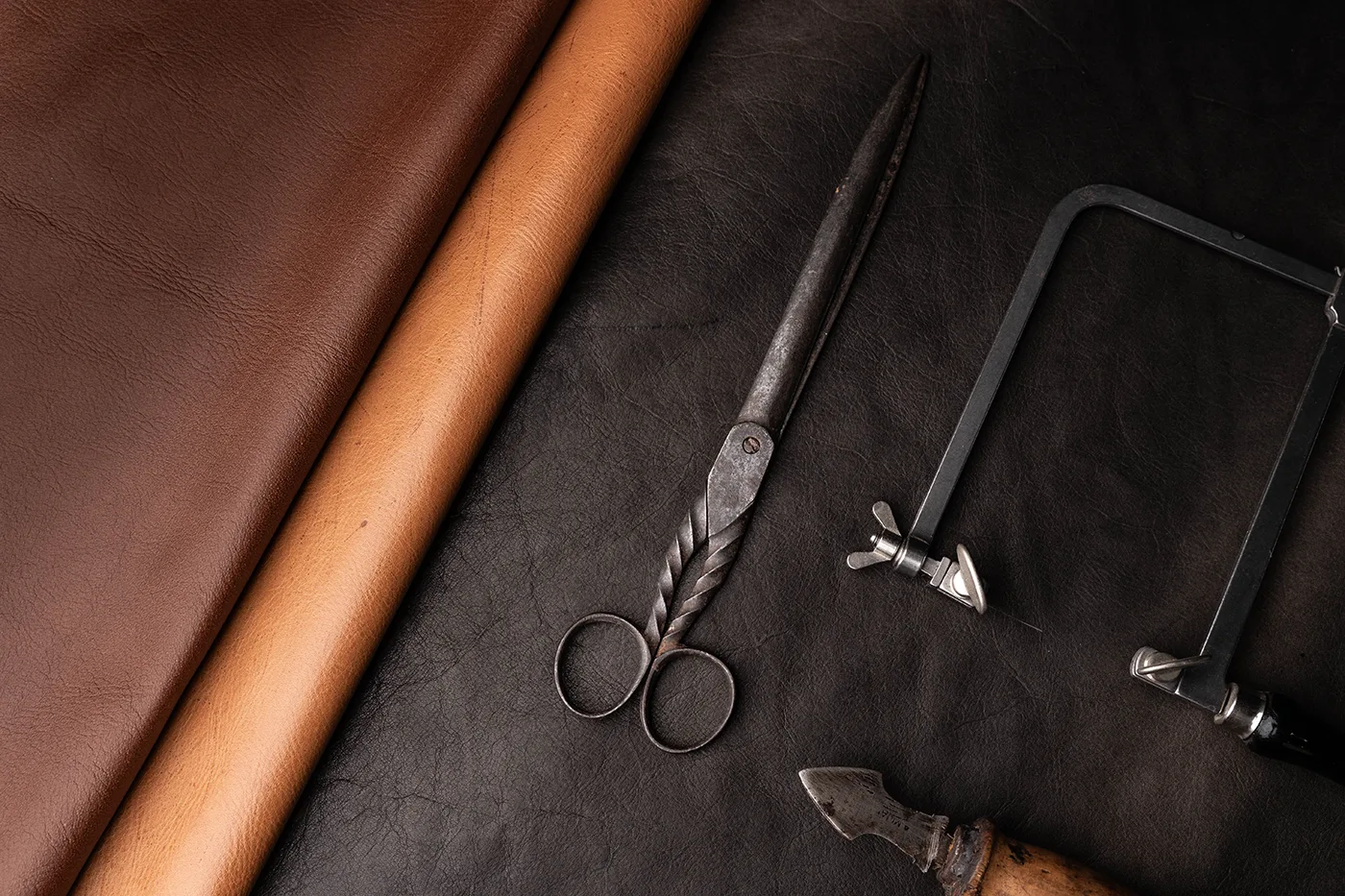
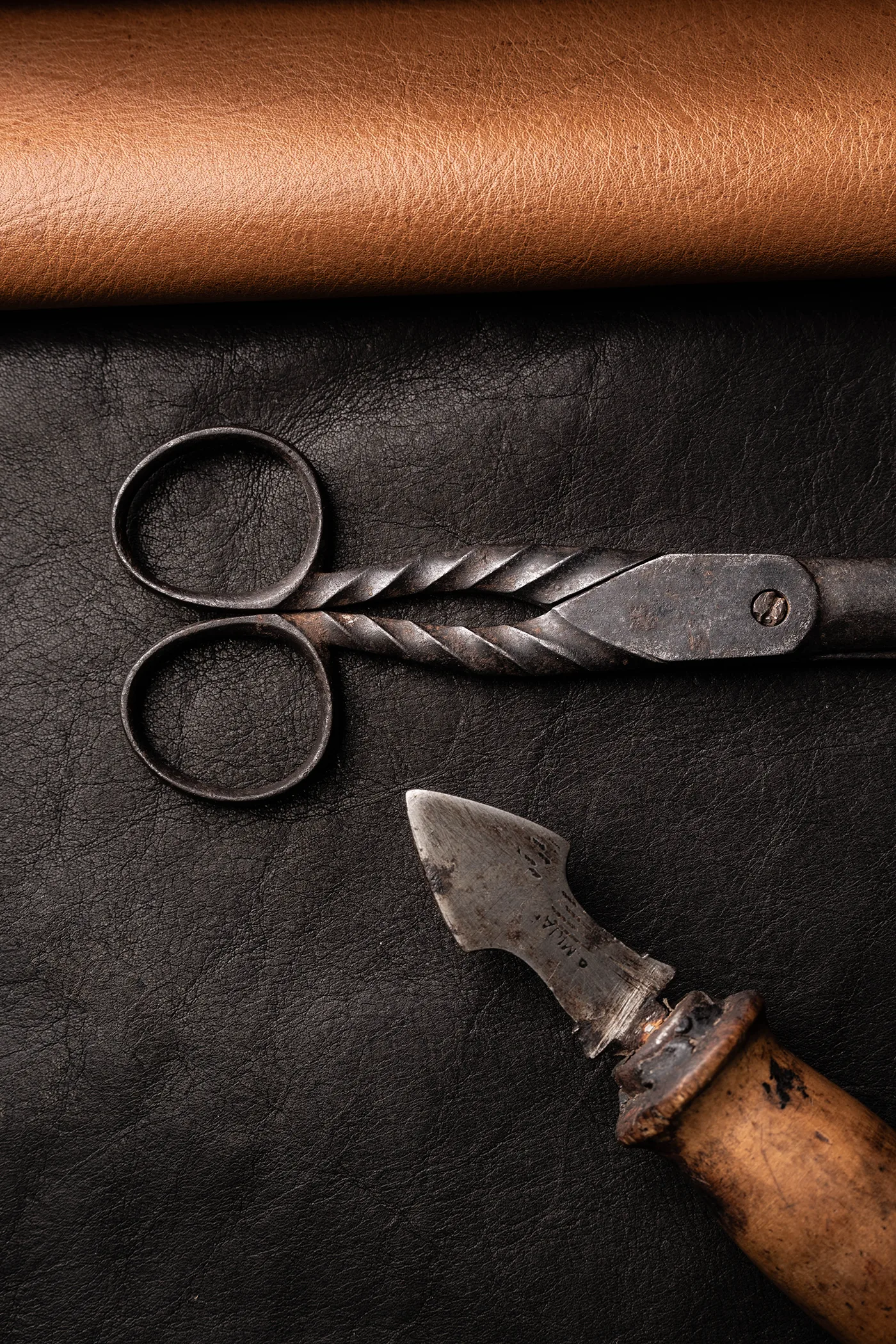
The company was not born in an analyst’s office or over a spreadsheet. It was born at the drawing table, in the scent of leather, in the noise of tools, and in the silence of the workshop where the most important decisions are made. From the beginning, it stood closer to a craftsman’s atelier than to a factory.
With time, it became clear that we were not building cars alone. We were building a place where different disciplines of craftsmanship could meet: leather, metal, wood, jewellery, engraving, patina, calligraphy. For us, the car became a platform on which all of these arts could come together within a single object.
That is why Carlex is not merely an automotive company. It is a house of craftsmanship that happens to create cars.
CHAPTER I: THE FINAL MATERIAL
Hierarchy of Materials
In the world of absolute luxury, there is a hierarchy defined not by fashion, but by rarity, provenance and the difficulty of obtaining the material. The most expensive materials are not the most important simply because they are expensive. They matter because they are demanding, exacting, and unforgiving of mistakes.
Bovine leather is the standard of the automotive world. The finest tanneries select it with immense precision, and it is a noble material. For craftsmanship, however, it is only the point of departure.
It is only exotic skins, such as alligator, crocodile, ostrich or stingray, that demand true discipline from the craftsman. Each has its own structure, its own rhythm and its own limitations. They cannot be treated like ordinary upholstery material. They must be composed as stone is composed in architecture, or veneer in marquetry.
Working with such materials is not about extravagance. It is about the truth of the material and respect for its nature.
Rarity alone has no value if it is not matched by the ability to apply the material in the right way. The highest art is not in acquiring the rarest skin. The highest art lies in knowing where to use it, and where not to use it.
Material is never decoration. Material is the architecture of the interior.
Exotic Leathers as Foundations
Alongside these reptiles come ostrich and stingray. Ostrich leather is soft and strong at the same time, characterised by its pearly quill bumps that give it sculptural depth. Stingray (shagreen) is almost mineral, thousands of glassy beads that behave like obsidian dusted with light. It was no coincidence that samurai sword handles were wrapped in it: it offered grip and endurance. At Carlex Maison these materials are not accents. They are foundations. They cover the centre console, dashboard, door panels and even the steering wheel.
The material stops being decoration and becomes the architecture of the interior. Owning the world’s most expensive leather is not an art. Using it is. Unlike bovine leather, an alligator’s scales have a DNA, a rhythm that must be “composed”. A Carlex craftsman aligns the pattern so it flows across curves, meeting scale-to-scale on seams. This is closer to Renaissance marquetry than traditional upholstery. A millimetre of misalignment destroys a panel.
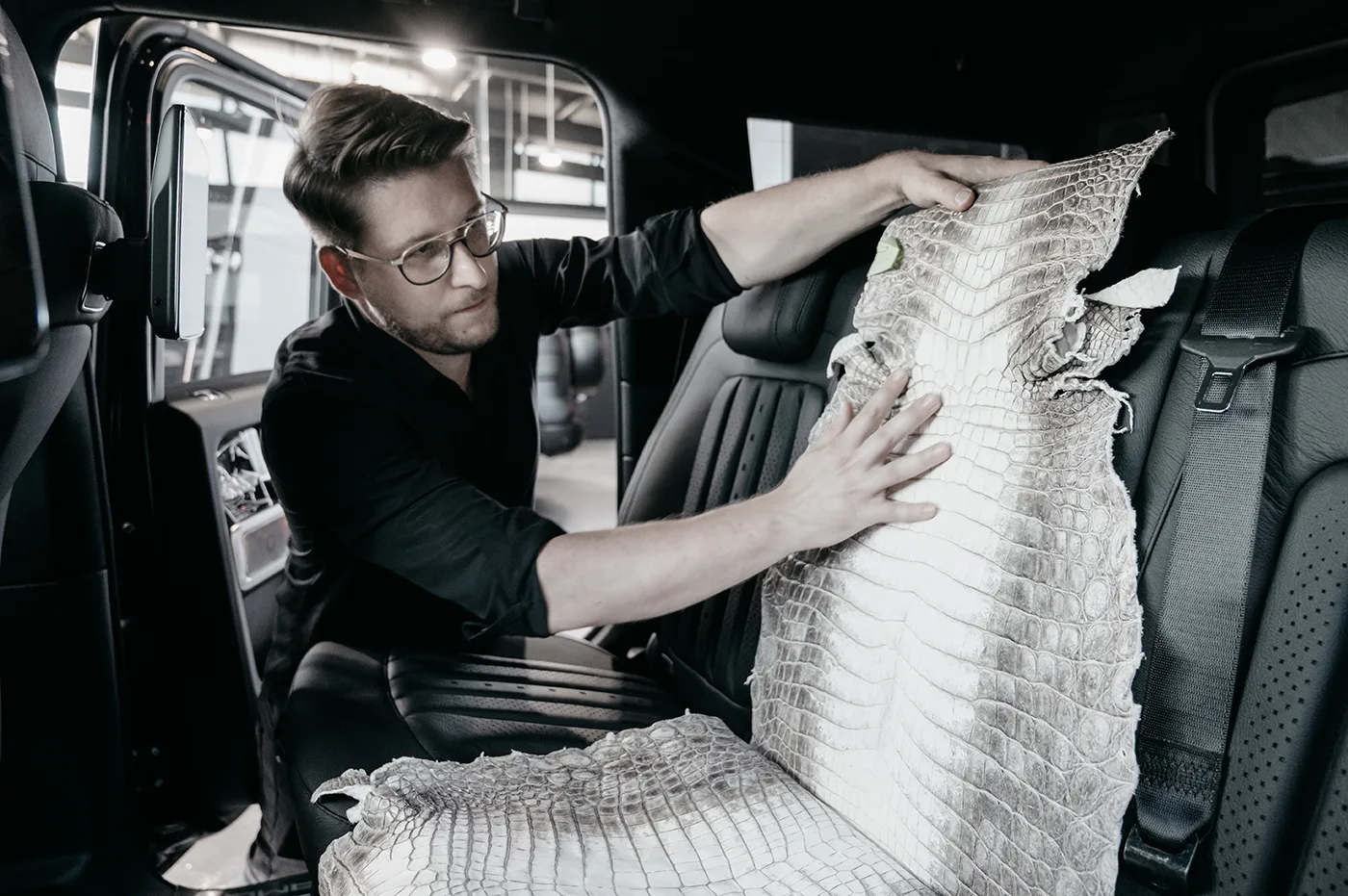
Head of Design and first fittings of precious Himalayan leather.
The Rigor of the Process
The definition of “The Summit of Everything” does not lie in the price of the material but in the rigor of the process: hand-selection, cutting, conditioning, gluing, stitching, controlling. Hundreds of hours turn leather into an artefact. This is our standard. Market examples illustrate the challenge but are never our goal. Bentley Mulliner can book-match veneer like a mirror; Pagani treats carbon fibre like haute couture fabric; Rolls-Royce paints a coachline with a single brushstroke.
At Carlex we go our own way: integrating silver, gold, and copper; applying hand engraving; and — when the project calls for it — combining exotic leather with solid wood and jewellery-grade metalwork. Material obeys the vision of the craftsman, not the limitations of the process. This is the meaning of the “final material” — it is not about rarity, but about whether we can reveal its truth.
CHAPTER II: PATINA AS THE RECORD OF LIFE
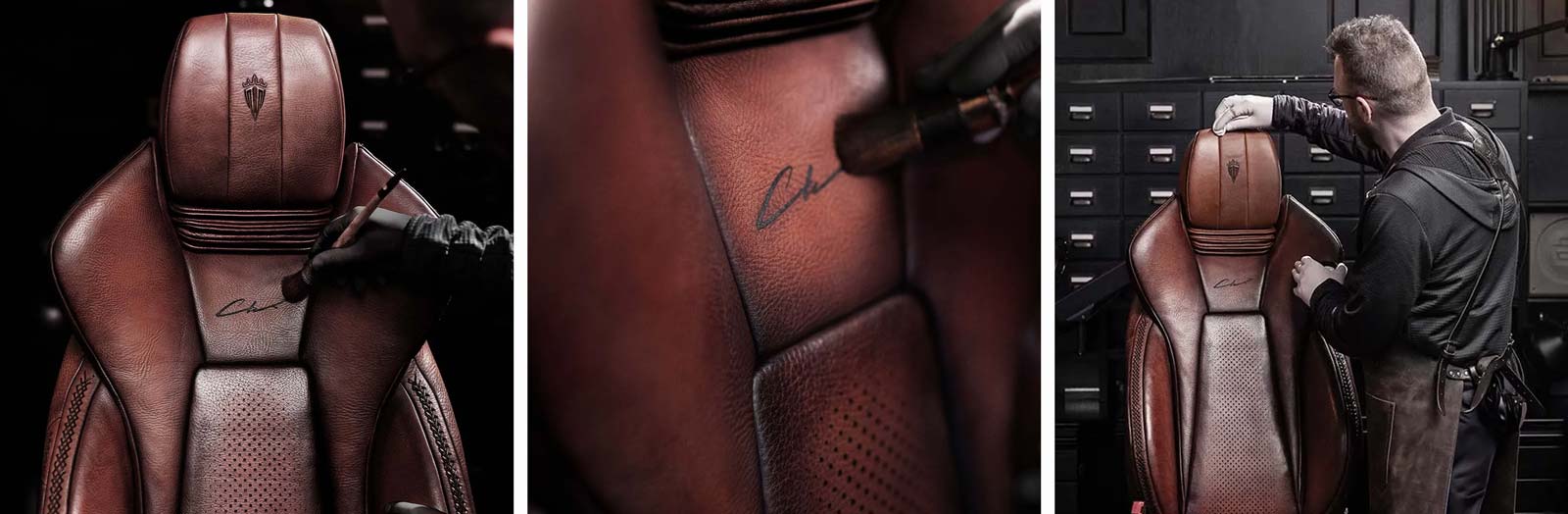
Master of Leather Patination working on G-Falcon One of One
The Value of Time
In an age of immediacy, the greatest luxury is time. Time cannot be bought, only invested. Patination is precisely that: an investment of time and attention that gives a material a soul before history begins to write itself through use. Our Constitution states: “The cars we create are made to last. To be cared for, respected, and passed on. From generation to generation. As symbols.” Patina fits this thinking, it is not ageing, but ennobling.
The roots of patination lead back to leathercraft traditions and the legendary Olga Berluti, who in the 1980s transformed classic finishing into an artistic ritual of layers. Her Venezia leather became a canvas, and colours Tobacco, Feuille d’Automne, Caviar, became poetry in pigment. Patination is not painting. It is the alchemy of layers: cleansing, opening pores, massaging oils and pigments, building translucent depth, polishing to a glassy shine.
The Craft of Layers
Tools?
Brushes, sponges, cloths, hands. Above all, hands and patience. One wrong movement can undo days of work. At Carlex Design, the scale is far larger than in shoemaking, we work on the three-dimensional architecture of an entire cabin. In projects like the G-Falcon One of One, a tribute to the art of falconry, patinating the interior took almost two months, whereas standard upholstery takes only a few days.
The difference is not a costly whim, it is the measure of luxury understood as time devoted to contemplation and to the hand-made decision behind every layer. Patina is like “Fordite”, the Detroit agate formed by decades of accumulated paint layers. Except here the beauty is not accidental, it is intentional. Layer after layer we build depth that cannot be accelerated.
Patina as Identity
In automotive design, patination often stands as a counterpoint to synthetic, “perfect” finishes. A well-executed patina does not pretend to be worn, it grants maturity from day one. This is why connoisseurs commission interiors that arrive already carrying character, an “old soul” in a new car.
Market examples reinforce this trend. In the restomod world, ECD Auto Design and Eagle E-Types celebrate the natural charm of hand-dyed leathers.
Ferrari, when restoring classics, treats patina as a dialogue between past and present. We go further: we create patina as a craftsman’s signature. The G-Viking, our One of One project, created with VO Vapen, a Swedish gunmaking atelier, combines patina with engraving and metal, honouring Nordic techniques. Each example is as unique as a fingerprint because there are no identical strokes, no identical hands. Patination escapes automation. Machines cannot measure it and precisely for this reason, at Carlex, it is a foundation.